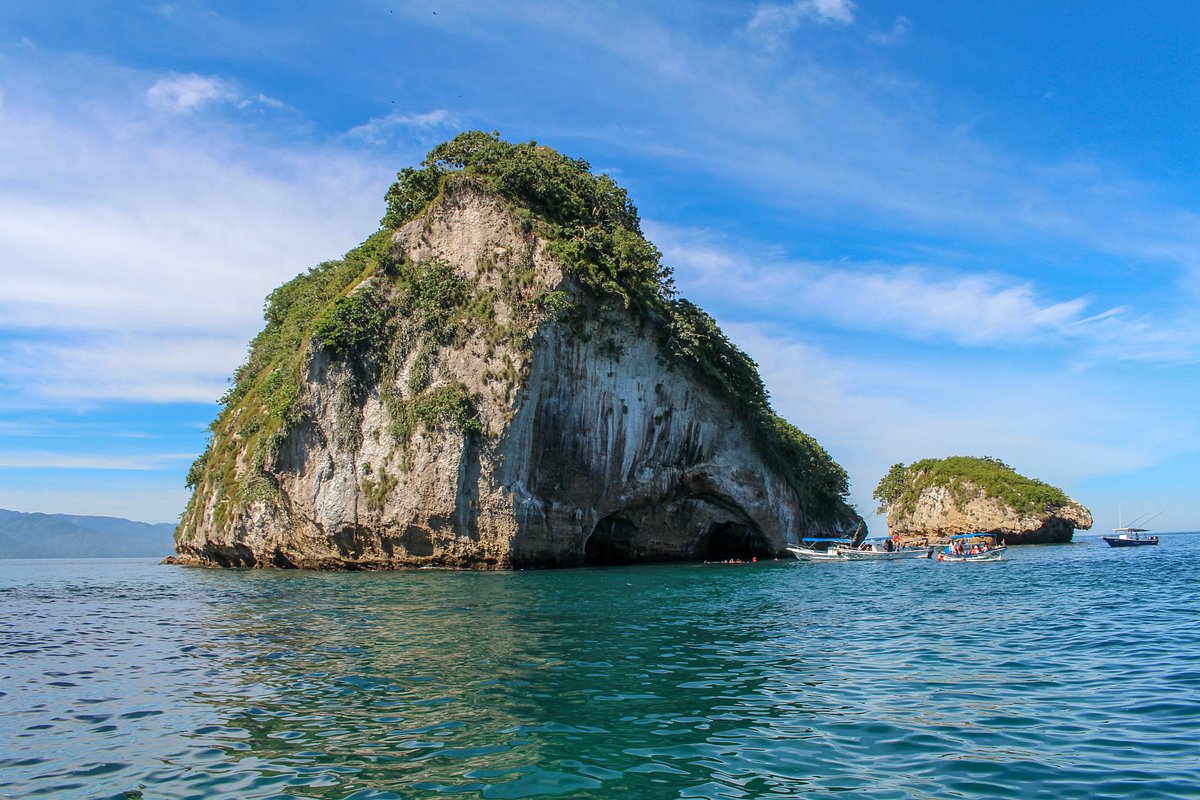
Los Arcos sits in one of Banderas Bay's most protected stretches, but understanding the conditions—currents, weather windows, and marine environment—makes the difference between a smooth visit and an uncomfortable one. This guide covers what matters: water safety, seasonal patterns, and the practical steps that keep your trip secure.
Quick answer
Puerto Vallarta es seguro for visitors to Los Arcos when basic water safety practices are followed. The marine park sits in a sheltered section of Banderas Bay with generally calm conditions, especially during morning hours. Risks are minimal but include rocky shorelines with no beach access, occasional strong currents near the arch openings, and seasonal afternoon winds that roughen the surface. Tour operators licensed for the park maintain insurance and safety equipment; independent visits require solid swimming ability and awareness of changing wind patterns.
Los Arcos National Marine Park records fewer incidents per visitor than most open-ocean snorkel sites along Mexico's Pacific coast, a safety profile rooted in its geography. The rock formations create natural wind breaks, and the site lies within Banderas Bay rather than exposed coastline, limiting swell and surge. Water depth ranges from two to twelve meters across the main snorkel zones, with visibility typically between ten and twenty meters when conditions cooperate. Puerto vallarta es seguro as a destination, and Los Arcos reflects that stability—but the park's safety depends on respecting its constraints. There is no beach, no shallow entry, and no lifeguard station. Visitors arrive by boat and enter the water directly, which means comfort in open water is not optional. The granite arches and rock walls that define the park also create localized currents, especially during tidal changes and when afternoon winds pick up after midday. Snorkelers who stay near their boat and avoid swimming through the narrower passages encounter predictably calm water. Those who venture toward the outer rock faces or attempt to pass under the arches during anything other than slack tide face stronger pulls. Marine life at Los Arcos includes pufferfish, angelfish, parrotfish, and occasional rays—none aggressive, but all best observed without touching. The rocks themselves host sea urchins in crevices and shallow shelves; water shoes or fins provide enough protection. Jellyfish appear seasonally, most commonly between July and September, though stings are rare and typically mild. Seasonal wind patterns shape daily safety windows. November through May brings the calmest and most consistent conditions, with light morning breezes and offshore winds that hold off until early afternoon. June through October sees higher humidity, occasional brief squalls, and a greater chance of afternoon chop. Outfitters cancel trips when wind forecasts exceed fifteen knots or when storm cells move into the bay, a decision that happens more frequently during late summer. The park remains accessible year-round, but the margin for error tightens outside the dry season. Current local guidance emphasizes three points: book with an established operator who carries communication equipment and first-aid supplies; confirm that morning departure times align with the 08:00–11:00 window when wind and visibility favor snorkeling; and wear a flotation vest if you're not a confident swimmer, which most operators provide without charge. These steps, combined with the park's naturally sheltered position, keep Los Arcos one of Puerto Vallarta's most reliably safe and accessible marine sites.
“The rock formations create natural wind breaks, and the site lies within Banderas Bay rather than exposed coastline, limiting swell and surge.”
The best arrival window is 08:00–11:00, as these hours provide the calmest water and highest visibility for snorkeling. Selecting this timeframe minimizes exposure to afternoon winds that can increase sea chop and influence travel safety.
—
Water conditions are most stable, facilitating easier boat navigation and safer entries for swimmers.
Dry, 20°C–28°C
Cooler air temperatures prevail, though ocean currents remain consistent for marine park access.
Warm, 22°C–30°C
Lower wind speeds during this transition period contribute to predictable and calm sea conditions for snorkeling.
Humid, 24°C–33°C
Afternoon rain showers occur, making morning departures essential to avoid reduced visibility and potential storm developments.
Verdict: The best time for safe exploration is weekday mornings between 08:00 and 11:00 during the months of April or October.
Los Arcos National Marine Park is located within Banderas Bay, Puerto Vallarta, Jalisco, Mexico. Access to this protected area is exclusively by watercraft.
Departure from Los Muertos Pier or Marina Vallarta
Travel to Los Muertos Pier
Visitors should adhere to the best arrival window of 08:00–11:00. Coordinating transit through a reputable tour operator ensures a direct, regulated approach to the marine park.
Prepare these essentials before heading to Los Arcos to ensure a safe and comfortable snorkeling experience.
Los Arcos National Marine Park is accessible 24 hours a day. Visitors may enter the marine park waters at any time.
Everything you need to know about puerto vallarta es seguro
Travelers frequently ask if puerto vallarta es seguro when planning excursions to protected areas like Los Arcos. The area is generally considered safe, though visitors should always prioritize staying with authorized tour operators when exploring the coastline. Always monitor local weather reports to ensure that puerto vallarta es seguro for boat travel during your specific visit.
Most visitors find that Puerto Vallarta remains a welcoming destination for international tourism. By remaining aware of your surroundings and using reputable transport providers, you will find that puerto vallarta es seguro for most day trips. Many locals and expatriates agree that following standard safety precautions is the best way to enjoy the coastal beauty.
The primary hazards at this marine reserve are related to water conditions rather than crime. Because current and visibility can change, checking the best arrival window of 08:00–11:00 is recommended to avoid stronger winds. It is crucial to wear a life vest and stay within designated zones to keep your outing at this Banderas Bay landmark safe.
Safe travel around these protected rock formations involves booking with verified maritime providers. Stick to organized excursions that provide adequate safety equipment and professional guides. Being prepared in this way confirms that the journey to view the coral reefs and granite arches is secure.
Booking directly through established vendors ensures that your maritime transport is regulated and captained by professionals. This approach minimizes risks associated with independent watercraft. Reliable operators prioritize passenger well-being while navigating the bay's waters.
For a smooth experience, keep your personal belongings secured and follow the instructions of your guide regarding marine life interaction. Swimming in designated areas away from heavy boat traffic is a simple way to maintain safety. Prioritizing these steps ensures that your trip to the reef is both pleasant and risk-free.