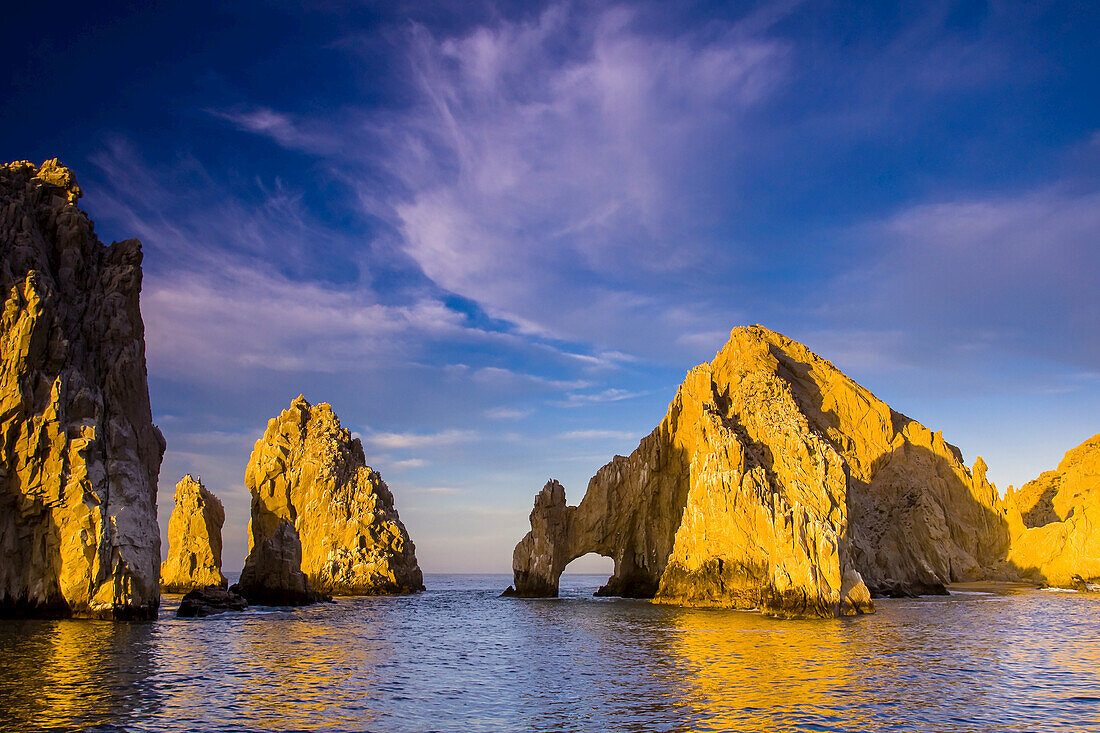
The Arches
Massive granite rock formations create underwater tunnels and crevices where schools of fish congregate.
Swim through the outer channels to find dense schools of snapper.
Los Arcos National Marine Park sits four kilometers south of Puerto Vallarta's hotel zone, where granite formations shelter one of Banderas Bay's most biodiverse underwater zones. Water clarity and marine encounters here depend on season, current patterns, and departure timing.
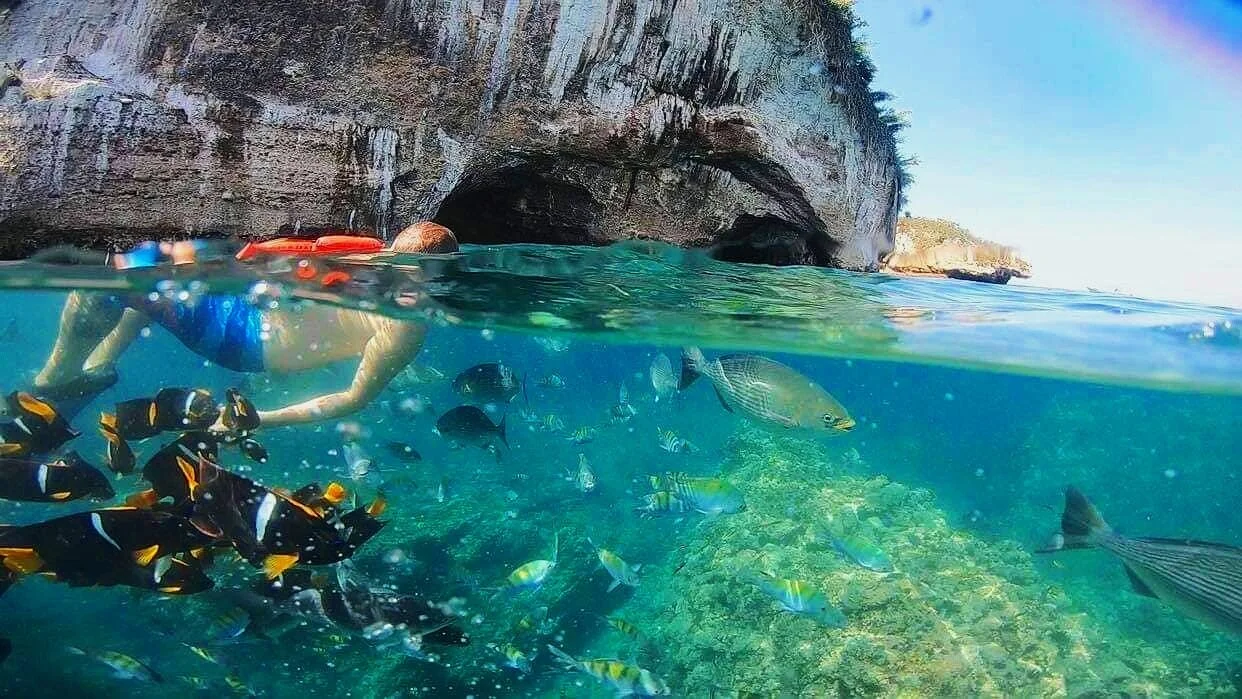
Quick answer
Yes, Los Arcos offers consistently good snorkeling with visibility ranging from 20 to 40 meters during calm conditions. The protected marine park sustains over 250 tropical fish species, sea turtles, manta rays, and seasonal humpback whales. Water clarity peaks between November and May when northern swells subside, though the site remains accessible year-round with morning departures producing the clearest conditions.
The granite arches that give Los Arcos its name drop 30 meters below the surface, creating vertical walls colonized by fan corals, sponges, and anemones that host clownfish and damselfish. These rock formations fracture Banderas Bay's currents into eddies that concentrate plankton and small baitfish, which in turn attract larger pelagic species—yellowtail surgeonfish, king angelfish, and occasional Pacific green sea turtles cruising the kelp beds. Visibility at Los Arcos fluctuates with tidal exchange and seasonal runoff. Morning departures between eight and eleven capture the water column before afternoon winds stir sediment. During the dry months from November through May, visibility frequently reaches 30 to 40 meters, allowing clear sightlines across the submerged archways. Summer months see reduced clarity—15 to 25 meters—as river discharge from the Sierra Madre increases particulate matter in the bay. The conservation fee supports mooring buoys that prevent anchor damage to coral structures. Snorkeling Puerto Vallarta's marine park means navigating moderate currents that sweep through the arches. The rock formations create protected pockets on their leeward sides where beginners can observe parrotfish, pufferfish, and schools of sergeant majors without fighting the current. More experienced snorkelers drift with the flow past the outer walls, where barracuda and occasional manta rays patrol deeper water. The park's protected status prohibits fishing, which has allowed populations of larger species to rebound—yellowfin tuna and dorado now frequent the outer perimeter during their seasonal migrations. Local operators launch from Los Muertos Pier and Boca de Tomatlán, with crossing times of 15 to 30 minutes depending on sea state. Most tours allocate 60 to 90 minutes at the site, rotating between three primary zones: the main arch with its swim-through channel, the northern wall where cleaning stations attract turtles, and the southern kelp forest favored by octopus and moray eels. The granite substrate here hosts different ecosystems than the sandy bottoms found closer to shore, making Los Arcos the primary destination for underwater diversity in the Puerto Vallarta region.
“The granite formations fracture Banderas Bay's currents into eddies that concentrate plankton, attracting over 250 tropical fish species and creating Puerto Vallarta's richest snorkeling environment.”
The best snorkeling conditions at Los Arcos occur during the morning hours, when the Pacific waters are at their calmest and visibility is at its peak. Visitors should aim for the official best arrival window: 08:00–11:00.
Dry season, 24°C–28°C; calm seas.
These months provide the most consistent water clarity and favorable surface conditions.
Warm, humid, 28°C–32°C; occasional rain.
While water remains warm, humidity increases and brief afternoon showers can affect visibility.
—
Arriving during the early morning on weekdays helps avoid the larger tour boat crowds from Puerto Vallarta.
Verdict: The optimal time for snorkeling is between December and April, specifically during the best arrival window of 08:00–11:00.
Los Arcos National Marine Park features a series of granite archways and deep reef systems that support diverse marine ecosystems. Snorkelers can explore varied underwater topography characterized by steep drop-offs and protected sandy channels.
Massive granite rock formations create underwater tunnels and crevices where schools of fish congregate.
Swim through the outer channels to find dense schools of snapper.
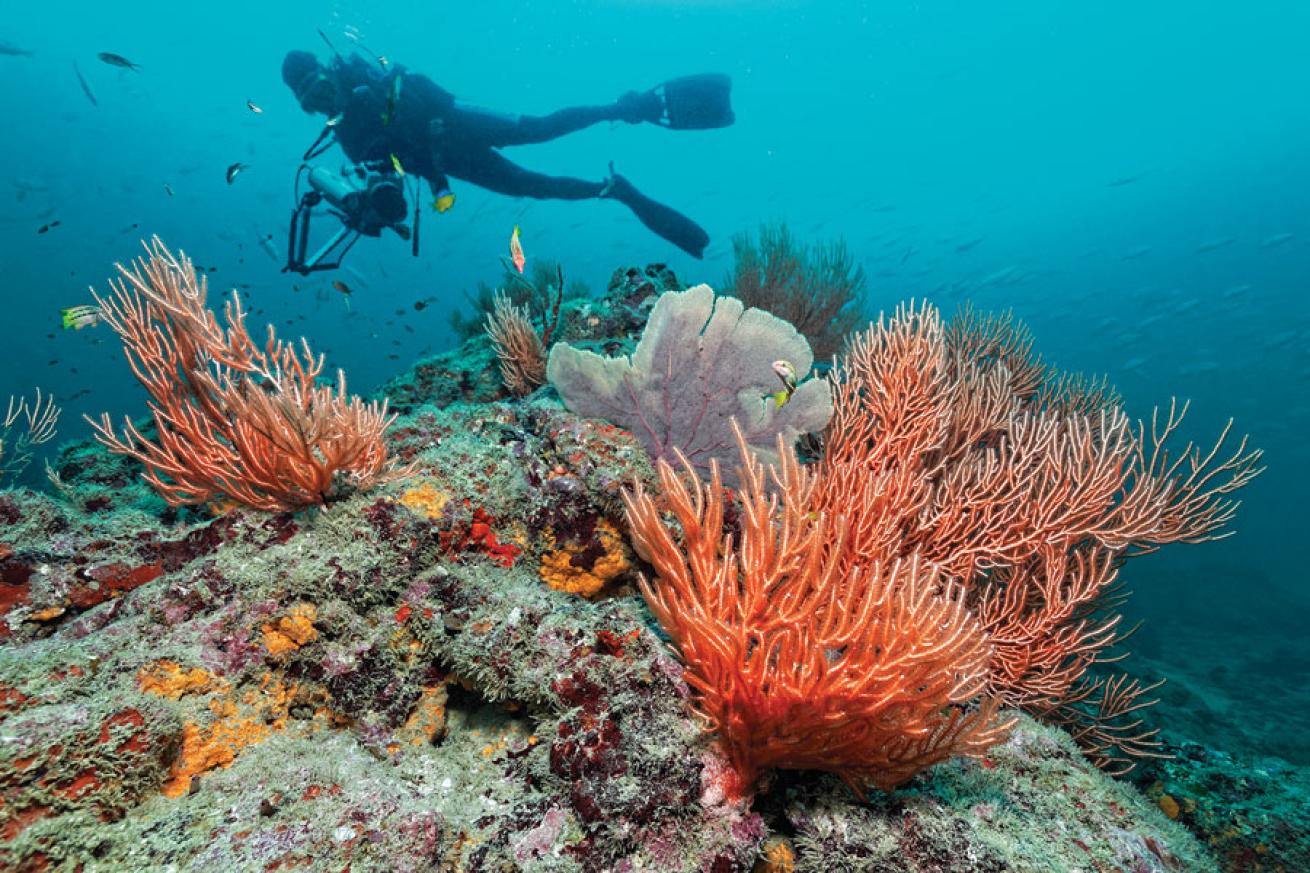
A deep reef area known for visibility and encounters with larger marine species.
Dive deeper to view sea fans and occasionally spotted eagle rays.
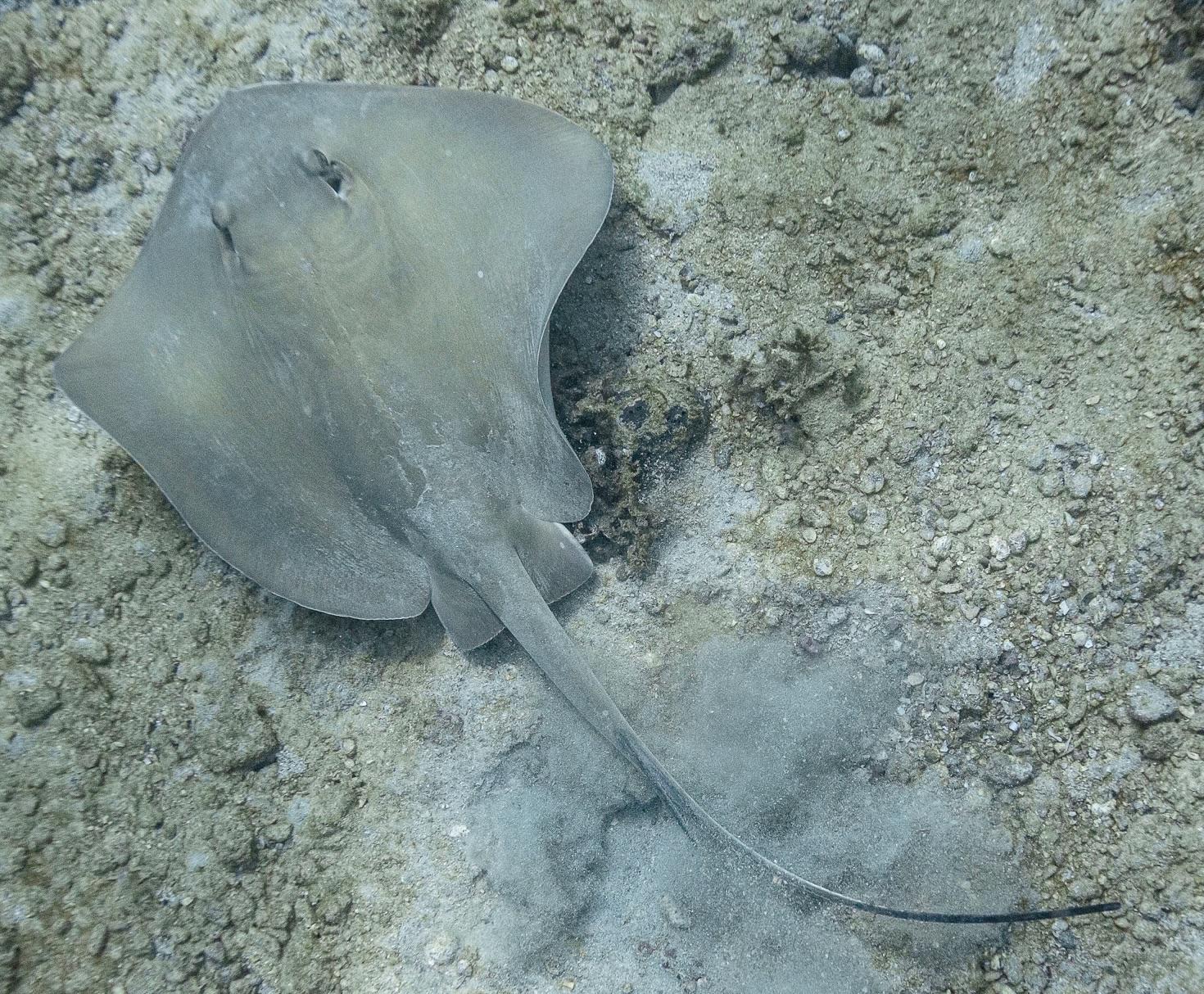
Shallow areas between rock formations offering clear views of bottom-dwelling marine life.
Look for garden eels and stingrays buried in the sand.
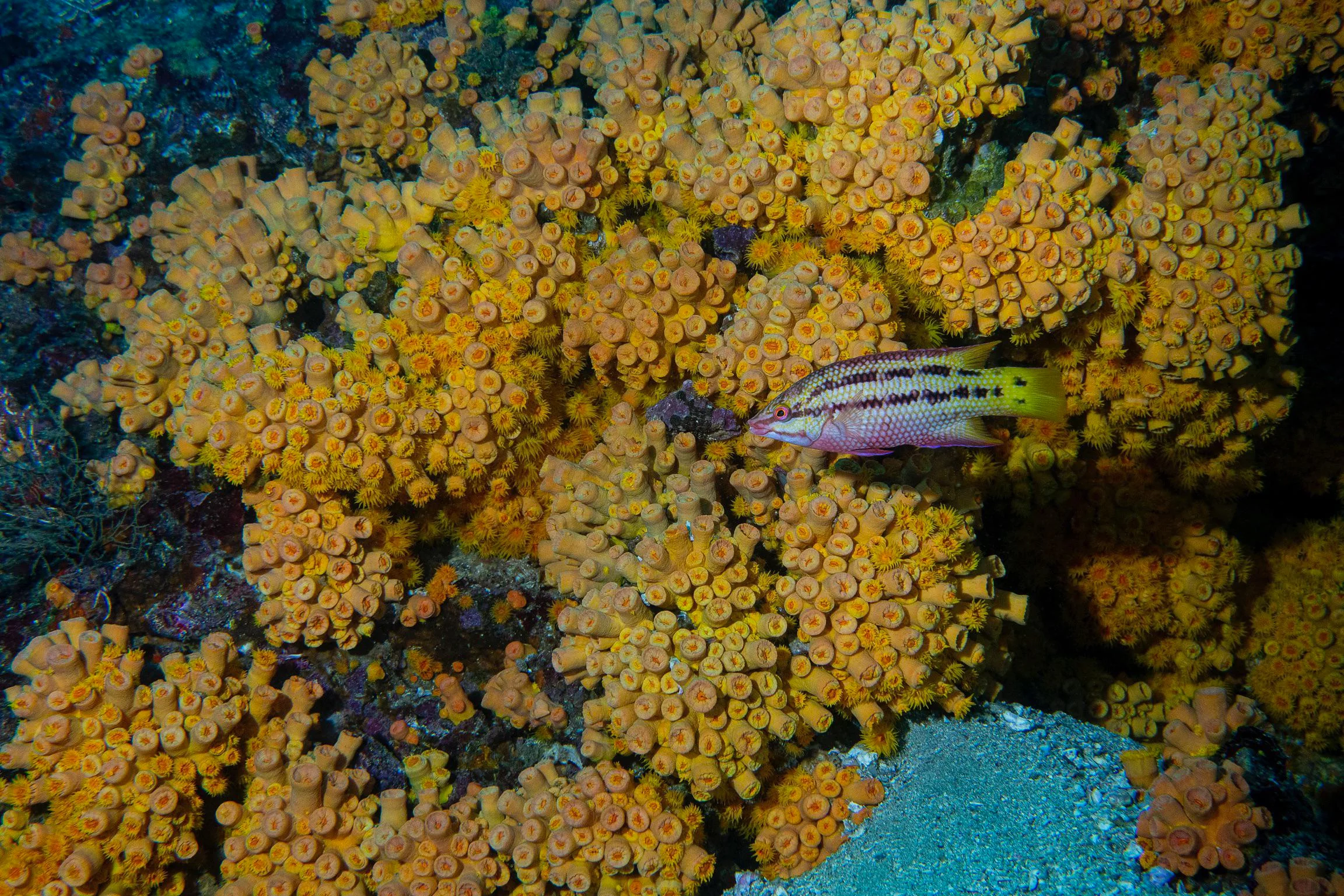
Protected areas hosting various hard corals and colorful tropical fish species.
Observe closely for parrotfish grazing on the coral structures.
Los Arcos National Marine Park is open to visitors throughout the week. The park maintains consistent operating hours every day.
Effective exploration of Los Arcos requires preparation for underwater currents and respect for the local marine environment.
The rock formations create unpredictable water movement, so maintain a clear line of sight to your boat or shore entry point at all times. If you feel resistance while swimming, drift with the current rather than attempting to swim against it directly.
Standard masks often fit poorly on different face shapes, leading to frequent leaking in choppy conditions. A low-volume mask provides a better seal and requires less effort to clear if water enters.
Biodegradable sunscreen is necessary to protect the coral reefs from chemical damage. Wear a UV-rated rash guard to reduce the amount of topical products needed and prevent skin irritation from jellyfish stings.
Currents around the granite arches can intensify rapidly without warning. Wearing a snorkel vest allows you to control your buoyancy, providing a safety buffer if you become fatigued.
Long, sweeping kicks are more efficient than short, fast ones, which can stir up sediment and reduce visibility for others. Proper finning preserves your energy and prevents accidental contact with the rocky reef structures.
Everything you need to know about is there good snorkeling in puerto vallarta
Los Arcos is widely considered the premier destination for visitors asking if there is good snorkeling in Puerto Vallarta due to its granite rock formations and protected status. The area hosts diverse aquatic ecosystems that provide high visibility for underwater exploration.
The park serves as a sanctuary for sea life, featuring a series of tunnels and caverns that distinguish it from other local landmarks. Those researching if there is good snorkeling in Puerto Vallarta will find that the geography creates a sheltered environment perfect for observing schools of tropical fish and coral species.
Yes, the calm waters near these rock formations make it a suitable location for families, provided they stay within designated safety zones. When planning a trip to see if there is good snorkeling in Puerto Vallarta, ensure all participants have properly fitted gear and life vests.
To experience the best visibility and avoid boat traffic, plan your visit between 08:00 and 11:00. Arriving during this window helps you avoid afternoon swells and ensures more tranquil water conditions.
The marine park is home to vibrant reef structures and diverse fish populations, including pufferfish and damselfish. It is a favored spot for photographers and nature enthusiasts evaluating if there is good snorkeling in Puerto Vallarta.
Every visitor entering the protected area must pay a conservation fee of 41 MXN per person. This contribution supports ongoing environmental protection efforts within the National Marine Park.
While the park is accessible throughout the year, water temperature and visibility can fluctuate with the seasons. Autumn visitors will generally find comfortable conditions, though it is always recommended to check local marine weather reports before heading out.